Understand your lumbar spine surgery — before you decide.
Clear, evidence-based answers about back and leg pain, surgery options, recovery, and outcomes. Written for patients and families, reviewed by spine surgeons.
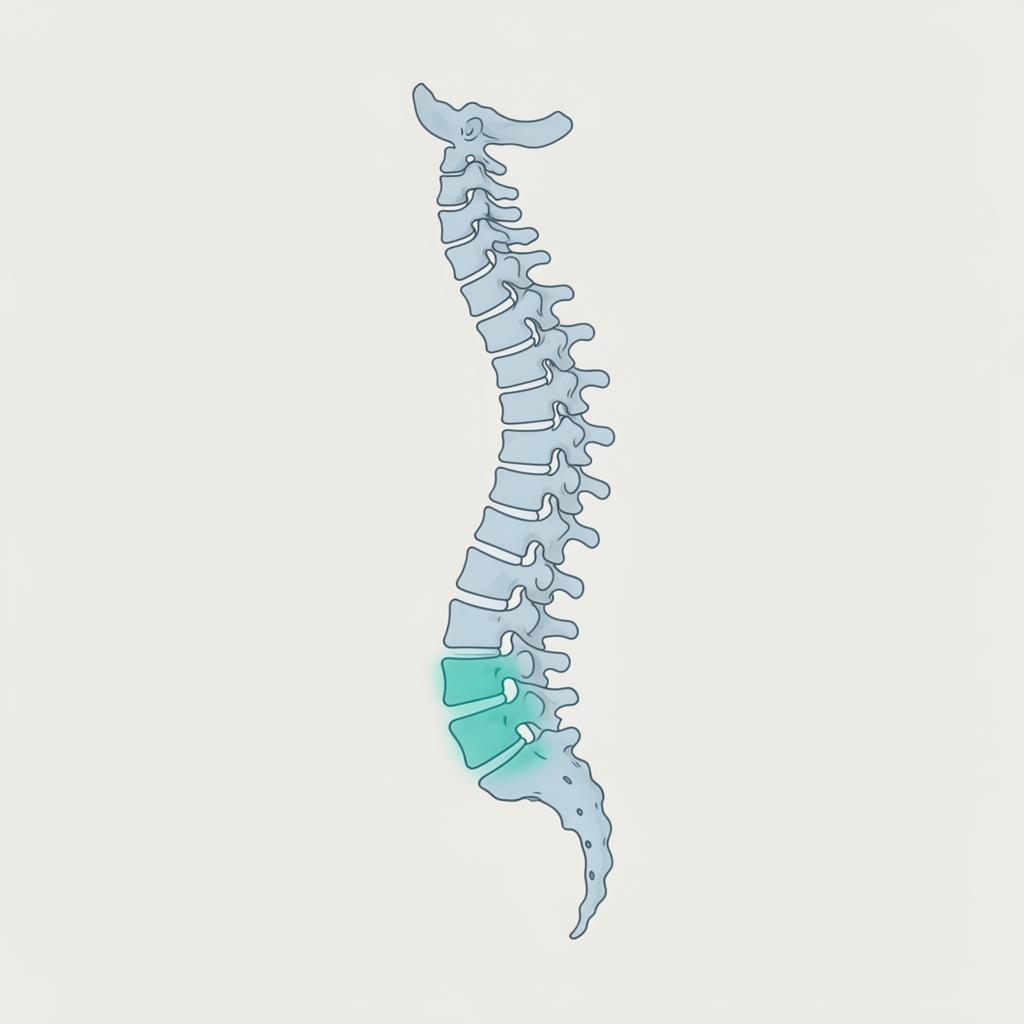
What is lumbar spine surgery?
Lumbar spine surgery addresses problems in the lower back — the five vertebrae that support most of your body's weight and allow you to bend and twist. When those vertebrae, discs, or surrounding tissues cause nerve compression or spinal instability, surgery may help relieve pain and restore function.
Procedures generally fall into two categories: decompression, which removes tissue pressing on nerves, and fusion, which stabilizes vertebrae that move abnormally. Most patients try non-surgical treatments first — activity modification, medications, physical therapy, and sometimes injections — before considering an operation.
Common reasons patients need surgery
Several lumbar conditions can lead to surgery when nerves are being pinched or the spine is unstable. The most common include:
- Lumbar spinal stenosisNarrowing of the spinal canal that pinches nerves.
- Herniated discA disc bulges and presses on a nerve root.
- Degenerative disc diseaseDiscs wear down with age and cause back pain.
- ScoliosisAn abnormal curve of the spine, sometimes painful in adults.
- SpondylolisthesisOne vertebra slips forward over another.
How spine problems affect daily life
Lumbar spine problems can limit the activities you depend on. Patients often describe:
- Trouble standing or walking for more than a few minutes
- Leg pain, numbness, or weakness that worsens with activity
- Difficulty sleeping because of back or leg discomfort
- Pulling back from hobbies like golf, gardening, or travel
- Worry about losing independence or missing work
Overview of treatment options
Most patients begin with conservative care: activity changes, medications, physical therapy, and sometimes spinal injections. If symptoms continue, surgery — usually a decompression, a fusion, or both — may be considered.
Where to go next
Explore each topic at your own pace.
Conditions
Plain-language explanations of common lumbar spine problems.
Learn moreSurgical Procedures
Laminectomy, fusion, and how decisions are made.
Learn moreRecovery
Week-by-week guide to what healing looks like.
Learn moreRisks & Complications
Honest information about possible problems.
Learn moreOutcomes
What success looks like, and what affects it.
Learn more